

Master of Science in Mental Health Counseling (LMHC)
MS in Mental Health Counseling: Practice-First, Licensure-Focused Training
Earn your MS in Mental Health Counseling (MHC) and gain the skills to become a licensed mental health counselor (LMHC) in a CACREP-aligned program, including dedicated preparation for the LMHC licensing exam. The program meets educational requirements for LMHC licensure in Massachusetts, preparing graduates to support individuals, families, and communities across a wide range of mental health needs. Through a practice-first, experiential learning model, you’ll learn to address everyday challenges, from stress and anxiety to relationship and workplace issues, while building a strong pathway toward licensure.
3 years. 60 credits. Flexible delivery: synchronous online and hybrid formats (7- and 15-week courses).
Graduates of the Nichols MHC program are equipped to make an immediate impact in high-demand settings. In a field facing critical shortages, employers gain “one more capability” when they hire Nichols graduates: professionals trained to assess, respond, and engage effectively from day one.
A Practice-First, Generalist Mental Health Counseling Program
Nichols College distinguishes its Mental Health Counseling program by preparing students as generalist counselors, professionals equipped to work across a wide range of client needs and settings within clinical mental health counseling practice.
While many counseling programs emphasize early specialization or rely on practicum and internship as the primary point of applied training, Nichols integrates skill development across every course.
Our program prepares counselors who can effectively address the full spectrum of everyday and complex mental health concerns, including stress, family dynamics, workplace challenges, and academic pressures.
This broad-based, generalist foundation reflects both workforce realities and client needs. It ensures graduates are not only versatile and adaptable but also positioned to pursue specialized certifications and advanced training as their careers evolve.
By integrating applied training across coursework, the program prepares students for the clinical and experiential requirements needed for LMHC licensure exam.
How the Generalist, Practice-First Model Is Delivered
- Practice-First Learning
Every course emphasizes applied skill development through case studies, in-class workshops, and real-world counseling scenarios, directly aligning our curriculum with licensure preparation - Experiential Learning in Every Course
Rather than waiting for late-stage fieldwork, students engage in hands-on learning from the start, reinforcing skills that translate directly into practicum, internship, and professional practice. This continuous skill development prepares students for the clinical expectations associated with LMHC licensure. - Licensure-Aligned Curriculum
Program outcomes are intentionally aligned with CACREP standards, supporting a clear pathway toward licensure while maintaining transparency about accreditation status.
Explore
Why Choose the Nichols Master of Science in Mental Health Counseling?
If you’re considering a graduate degree in counseling, you already know the demand is growing. Here’s how the Nichols master’s degree in mental health counseling prepares you for practice in Massachusetts and beyond:
- Versatile, Generalist Training: Gain the ability to work across a wide range of mental health concerns, not just one specialty, preparing you to work across diverse populations and settings.
- High-Impact Career Opportunities: With demand for mental health counselors rapidly increasing, Nichols graduates are well positioned for careers in hospitals, community agencies, school-based mental health roles, integrated care settings, and private practice.
- Experiential Learning: Apply what you learn in every course through case studies, in-class workshops, and supervised clinical placements. building practical counseling skills from day one.
- Licensure-Focused Preparation: Build toward licensure through a CACREP-aligned, practice-first curriculum that emphasizes continuous skill development, with clear guidance on state and regional licensing requirements.
- Respond to a Critical Need: Help address critical workforce shortages by providing counseling services across a broad range of needs, populations, and settings.
Career Paths with a Master of Science in Mental Health Counseling
Graduates of the Nichols MHC program are prepared for a wide range of careers aligned with the pathway to LMHC licensure, including:
- Mental Health Counselor (licensure path)
- Behavioral Health Clinician
- School-Based Mental Health Clinician
- Community Agency Counselor
- Substance Use & Recovery Support Specialist
- Case Manager or Care Coordinator
- Private Practice (post-licensure)
These career paths reflect the range of settings where LMHC-prepared counselors are needed across Massachusetts and the broader New England mental health workforce.
Our graduates are equipped to work in integrated care teams serving a variety of clinical environments where versatile, well-trained counselors are needed most.
Practicum and Internship for LMHC Licensure
Students in the Mental Health Counseling program complete a required practicum and internship sequence that fulfills Massachusetts licensure standards for clinical training. These experiences include supervised direct client contact and are typically completed over multiple semesters.
Through established community partnerships, students are placed in approved clinical settings that provide exposure to diverse populations, treatment environments, and counseling practices.
All placements are coordinated in collaboration with the Director of Clinical Training, ensuring alignment with both state licensure requirements and individual professional goals. Together, these placements provide the supervised clinical experience required for LMHC licensure in Massachusetts.
Flexible Program Delivery (Online, Hybrid, and In-Person)
This hybrid mental health counseling program is designed to support working professionals through a flexible mix online, hybrid, and in-person instruction. Rather than applying a single format across all courses, delivery is intentionally aligned with the content and skill requirements of each topic area.
Courses that emphasize applied counseling skills, such as group and crisis interventions, are delivered in person to support real-time interaction, skill practice, and immediate feedback. Other courses, particularly those focused on foundational knowledge such as assessment and measurement, are well suited to an online environment.
This approach allows Nichols to maintain a high-touch, practice-oriented learning experience while providing the flexibility students need to balance graduate study with professional and personal commitments.
Contact Us
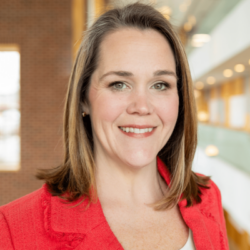
Kerry Cole
Director of Graduate Student Recruitment and Business Development
Office: 508-213-2156
Email: kerry.cole@nichols.edu
